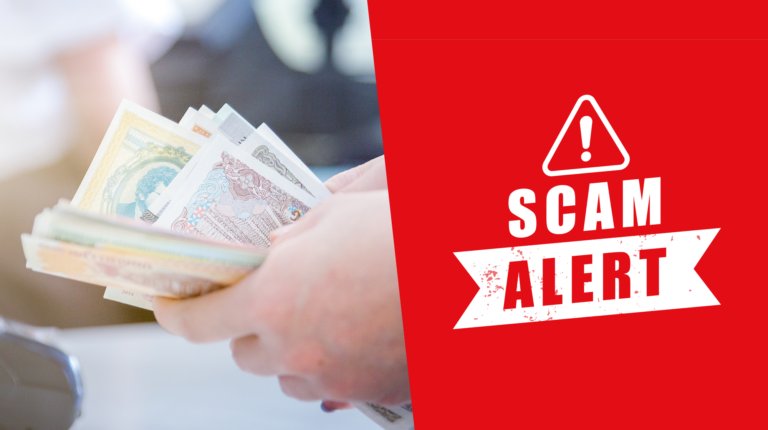
Would you trust a loan offer just because it uses a Singapore number, a professional-looking website and the name of a registered company?
That is exactly where the risk begins. Scammers are becoming better at making illegal loan promotions look legitimate, from copied business details and fake websites to unsolicited messages promising quick approval. In August 2026, Singapore Police took action against suspects linked to bulk SMS advertisements promoting “fast cash” and “easy loans”, followed by another island-wide operation in September involving 98 people investigated for suspected unlicensed moneylending activity.
So, how can you tell whether an offer is genuine before sharing personal details or transferring money? Singapore’s core advertising restrictions for licensed moneylenders remain firmly in place in 2026, while newer anti-scam measures are strengthening controls around online advertising. Knowing where a legitimate lender may advertise, how it should contact you and what its loan process should look like can help you spot warning signs much earlier.
Loan Offer Or Scam? 7 Checks To Make Before You Respond
1. Start with where you saw the advertisement
The moneylender advertising rules in Singapore allow promotion only through business or consumer directories, the lender’s own website, and material placed at or on the exterior of its approved business premises. An unsolicited SMS, WhatsApp message, social-media DM, telephone pitch, flyer or email therefore falls outside the permitted channels. Do not treat a familiar brand name or local number as proof. The Registry warns that scammers may impersonate legitimate firms.
2. Verify the web address before entering personal information
A fake page may reproduce a company name, logo, address or visual style while using a slightly altered domain. MinLaw warns that bogus sites and social accounts can collect NRIC numbers, addresses and contact details for unlawful purposes. Open the official Registry of Moneylenders Singapore listing first, then compare the business name, approved address, landline and website shown there. Type the verified domain yourself instead of following a link received in a message.
3. Treat direct loan solicitation as a red flag, even when the sender sounds credible
A legitimate lending conversation should begin with the borrower’s enquiry. Licensed moneylenders are not allowed to start that conversation through unsolicited calls, messages or social channels. This matters because scam messages often create urgency: instant approval, limited-time rates, no checks or cash within minutes.
4. Never pay money to unlock a promised loan
Requests for “GST”, “processing”, “insurance”, “account activation” or similar payments before disbursement are a strong warning sign. Singapore Police and MinLaw state that legitimate operators do not ask applicants to transfer such sums in advance to secure release of funds. A moneylender loan scam in Singapore may begin with a small payment request before escalating to larger transfer demands. Stop the conversation immediately.
5. Check where approval and identity verification happen
An online form can begin an enquiry, but the regulated lending process cannot be completed entirely through chat, video call or remote document exchange. The borrower must attend the approved place of business for face-to-face identity verification before credit is granted. At Khalon & Gill, we allow customers to submit an enquiry online, but our process requires a visit to our High Street Centre office before the agreement is signed and funds are released. That physical step is an important legitimacy check.
6. Do not confuse a slick social advertisement with regulatory approval
Singapore announced new Online Criminal Harms Act codes in August 2026 for major social-media and messaging services. The social-media code will require stronger advertiser verification and prevent financial-product advertisements unless the advertiser is appropriately licensed. However, those systems are due to be implemented by 31 January 2027. Until then, users should not assume that an advertisement appearing on a major platform has already passed a government licensing check.
7. Know What Follows After An Unsecured Loan Is Approved
From 15 September 2026, borrowers taking unsecured loans other than business loans from licensed moneylenders receive a mandatory three-business-day cooling-off period. During that window, the borrower can cancel at reduced cost, no interest is charged for the cancellation, and the repayment amount cannot exceed the principal under MinLaw’s framework. A scammer demanding immediate payment, refusing written terms or pressuring you to act before checking conditions is operating very differently from this regulated process.
Financial pressure makes speed feel important, but checking the lender should come first. The Police investigated 98 people after an island-wide operation conducted from 25 to 31 August 2026, including suspected runners, account holders and individuals linked to cross-border unlicensed moneylending. This highlights how a single message can be linked to a broader operation. If the sender’s details do not match the official registry and approved business address, stop engaging and report the contact.
Conclusion:
The safest offer is not the one with the fastest reply, lowest headline rate or most convincing advertisement. It is the one whose identity, website, location and process can be independently checked against official records.
Responsible borrowing starts with clarity before commitment. Check first, understand every term and borrow only when the repayment plan genuinely fits your finances.
If you are considering a personal loan, foreigner loan or another financing option, assess your repayment ability, verify Khalon & Gill through MinLaw’s official list, and contact us through our verified website before visiting our approved premises.
