Your salary arrives once a month. Your repayment reminders may arrive every week. When several moneylender instalments compete with rent, groceries and family commitments, another loan only helps if it creates a manageable route towards clearing those balances.
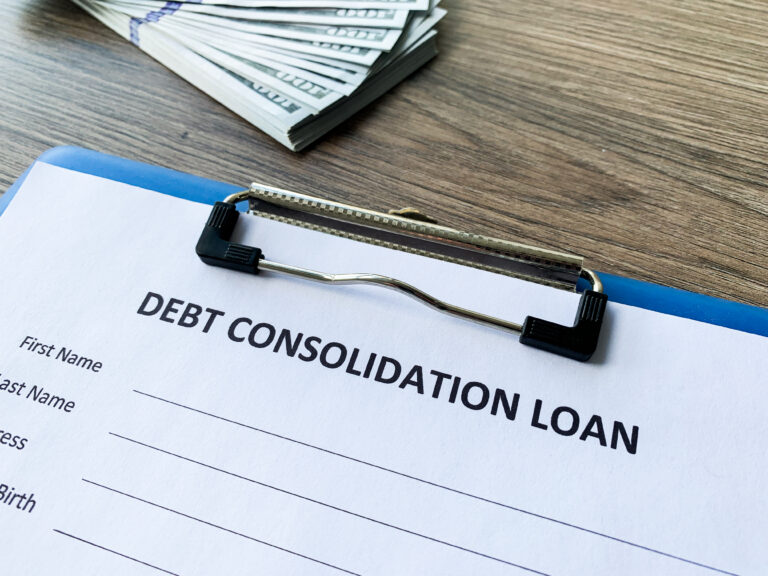
At Khalon & Gill, our Debt Consolidation Loan (DCL) combines existing licensed moneylender debts into one repayment arrangement, supported by assessment and mandatory self-exclusion.
Understanding debt consolidation in Singapore means looking beyond a smaller instalment. You need to know which obligations it covers, how approval works and what restrictions remain after receiving the funds.
What Consolidation Can Achieve And Who Qualifies
Our DCL is a personal loan granted under the licensed moneylender debt consolidation scheme, with a self-exclusion requirement. Its purpose is to repay all outstanding debts owed to licensed moneylenders, rather than provide additional spending money or settle bank balances.
For eligible applicants, a DCL may exceed the usual aggregate unsecured borrowing cap, including six times monthly income where that limit applies. This is subject to assessment and the scheme’s requirements; it is not an automatic entitlement to additional credit.
Key benefits include:
- Simpler repayments: Replace several moneylender commitments with one schedule.
- Potential cost savings: Reduce overall charges where the agreed terms offer a genuine saving.
- Clearer budgeting: Plan essential spending around a defined installment.
- A borrowing safeguard: Self-exclusion restricts further unsecured moneylender borrowing.
How Our DCL Process Works:
-
Arrange an assessment with a social service agency
Approach an agency such as Blessed Grace Social Services or Adullam Life Counselling. It reviews your circumstances and, where appropriate, helps negotiate a DCL with your preferred licensed moneylender.
-
Obtain Form A and visit our office
Following a suitable assessment, bring the completed Debt Consolidation Scheme Assessment form, known as Form A, to our High Street Centre office with your supporting records. Referral does not guarantee approval.
-
Complete our loan assessment
We review your income, outstanding balances and repayment capacity, then explain any proposed amount, charges, instalments and conditions.
-
Register for MLCB self-exclusion before disbursement
Singapore citizens and permanent residents can choose a minimum exclusion period of one or two years. Foreigners only have a two year minimum exclusion option. For our DCL process, the selected period must cover the loan tenure. We verify successful registration before releasing funds.
-
Settle existing lenders and provide closure receipts
After disbursement, repay all existing licensed moneylender balances and forward the settlement receipts to us. Prepare your bank transfer limits beforehand so daily transaction restrictions do not delay closure.
Bank DCP Vs Our DCL: A Quick Comparison:
|
Feature |
Bank Debt Consolidation Plan |
Khalon & Gill DCL |
| Debts covered | Eligible unsecured facilities with participating financial institutions | Outstanding debts with licensed moneylenders |
| Application route | Apply to a participating bank | SSA assessment and Form A, followed by our assessment |
| Key eligibility distinction | Includes specified income, asset and debt-to-income criteria | Assessed under the moneylender scheme; eligible cases may exceed the usual aggregate cap |
| Borrowing restrictions | Existing unsecured facilities are generally suspended or closed | MLCB self-exclusion required before disbursement |
The bank-led debt consolidation scheme in Singapore is therefore a different route, with separate qualifying conditions.
For those researching debt consolidation for foreigners in Singapore, the minimum self-exclusion period is two years; this guide primarily addresses citizens and PRs.
Key Risks Of Debt Consolidation And How To Protect Yourself:
-
A smaller instalment can increase total costs
A longer term may ease monthly pressure while increasing the amount repaid overall.
How to protect yourself: Compare the full repayment amount, duration and charges against your current commitments.
-
Self-exclusion cannot be withdrawn early simply because you repay early
Clearing the DCL ahead of schedule does not shorten your chosen minimum exclusion period. Exclusion remains active for the duration of the minimum period, after which it may be withdrawn through MLCB.
How to protect yourself:: Plan essential expenses without relying on fresh unsecured moneylender borrowing.
-
Other obligations remain payable
This DCL is for licensed moneylender debts. Bank loans, credit cards and other commitments require separate arrangements.
How to protect yourself: Include every remaining obligation when checking whether the proposed instalment fits your budget.
-
Delayed settlement can leave balances outstanding
Receiving funds does not itself close existing accounts. Transfer limits, outdated settlement figures or missed charges can prevent full repayment.
How to protect yourself: Confirm current amounts, prepare payment access and obtain closure receipts promptly.
-
Default can cause the scheme to fail
The handbook identifies missed DCL instalments as a potential cause of scheme failure and requires lenders to explain the consequences in writing.
How to protect yourself: Understand those conditions before signing and contact us promptly if difficulties arise.
Alternatives When Refinancing Is Not Suitable:
If the proposed instalment remains unaffordable, discuss restructuring with your existing lenders. Adjusting their schedules may be more suitable than replacing several obligations with another facility.
An SSA can also help assess repayment difficulties and negotiate appropriate arrangements. The handbook encourages licensed moneylenders to assist distressed borrowers through restructuring or agency referrals.
Where bank debts are involved, consider the Debt Management Programme by Credit Counselling Singapore. This facilitates repayment arrangements with participating creditors rather than providing fresh funds, and requires assessment and creditor approval.
Choose the approach that addresses your actual shortfall and leaves essential household spending affordable.
Conclusion:
Effective debt consolidation in Singapore should create a repayment route you can complete, supported by proper settlement and a clear understanding of self-exclusion.
At Khalon & Gill, we assess DCL applications following the SSA referral process. Contact us to discuss the required documents, then bring your completed Form A, income records and current loan statements to our High Street Centre office. We will explain the proposed costs, schedule and obligations before you decide.
