Yes. Employment Pass (EP) holders can get a personal loan in Singapore from banks or licensed moneylenders, as long as they meet the lender’s income, document and pass-validity requirements. Since every EP holder earns at least S$5,600 a month, most can borrow up to six times their monthly income from licensed moneylenders.
Starting a new job in Singapore can be an exciting milestone. For an Employment Pass holder, however, the first few months may feel financially tight. Before their finances fall into a steady rhythm, newcomers may have to manage advance rental payments, sizeable deposits, deductions, school-related costs, and overseas family commitments.
So in the case of a sudden, temporary financial crunch, what support can EP holders get? Can they get a loan? Yes, but it is subject to eligibility, income checks, residency status, and the lender’s assessment. An EP holder may approach banks, but approval is not easy. Banks may ask for a longer local credit record, higher income, or employment history in Singapore. When urgent expenses appear, applying through licensed moneylenders is a quick yet lawful borrowing route. However, foreigner loans in Singapore can turn out to be beneficial only when used responsibly, and not for unnecessary spending.
How EP Holders Can Get a Loan in Singapore: 8 Steps
-
Start with your legal status and purpose
An Employment Pass shows that you are legally working in Singapore, but lenders will still consider why you need funds. Common reasons include medical bills, rental deposits, urgent travel, education costs, or temporary cash-flow gaps. Be clear about the purpose and request only the amount required.
-
Choose the right lending route
Banks may offer larger sums and longer tenures, but their criteria can be stricter. Licensed moneylenders in Singapore may provide a more accessible route for foreigners who meet income and document requirements. The Registry of Moneylenders advises borrowers to verify a lender’s licence and avoid unlicensed operators. It also warns against lenders who retain personal documents, ask for SingPass passwords, use threats, or issue incomplete contracts.
-
Understand the borrowing limit
For unsecured borrowing from licensed moneylenders, official guidance sets aggregate caps across all moneylenders in Singapore. Foreigners residing in Singapore may borrow up to S$500 if annual income is below S$10,000, up to S$3,000 if annual income is at least S$10,000 but below S$20,000, and up to six times monthly income if annual income is S$20,000 or above. These are ceilings, not guaranteed approvals. Lenders may approve less after reviewing repayment ability and existing commitments.
-
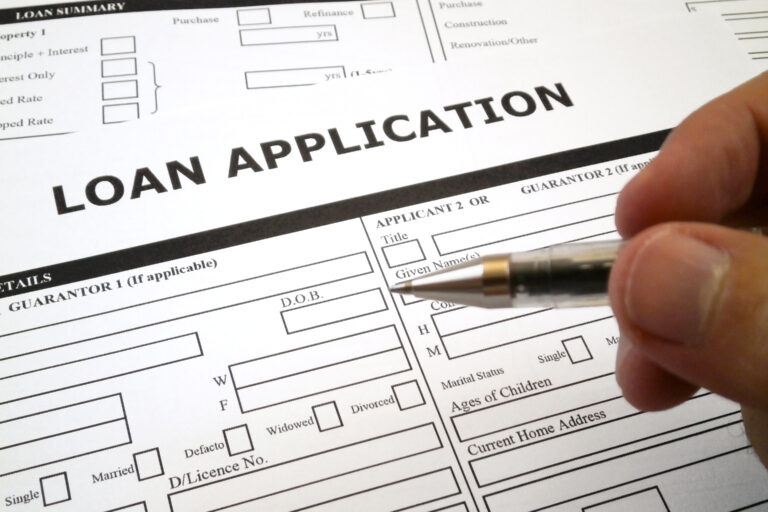
Prepare complete documents.
A smooth application usually depends on clean paperwork. EP holders are commonly asked for an Employment Pass with at least 6 months’ validity (many lenders require this), proof of current residential address, recent payslips, bank statements, and employment details. Some lenders may also ask for a tenancy agreement, utility bill, or company confirmation. Before submitting, make sure your name, address, salary, and pass details match across documents.
-
Assess repayment before accepting funds
A loan for Foreigners in Singapore should fit your monthly budget after rent, transport, food, insurance, family support, taxes, and savings. Do not borrow based only on the approved amount. Ask whether the instalment remains manageable if overtime drops, a bonus is delayed, or relocation expenses continue longer than expected. Make sure the loan tenure ends before your EP expires. Khalon & Gill always explains the repayment schedule before you sign.
-
Know the permitted charges
Under official rules, the maximum interest charged by a licensed moneylender is 4% per month. Late interest is also capped at 4% per month and can be charged only on the overdue amount. Permitted fees include a late repayment fee of up to S$60 per month, an administrative fee of up to 10% of the principal when the loan is granted, and court-ordered legal costs where applicable. Total charges cannot exceed the principal.
-
Compare terms, not just speed
Fast access matters during an emergency, but the quickest option is not always the safest. Look at the full repayment amount, instalment dates, fees, late-payment consequences, and whether early repayment is allowed. Also consider service quality. Are your questions answered clearly? Is the agreement explained in plain and simple language?
-
Avoid shortcuts that look too easy
If someone offers instant approval through social media, asks for an upfront “processing fee” before a proper contract, or promises approval without checking income, treat it as a warning sign. A legitimate process includes identity checks, clear terms, a written agreement, and proper explanation of repayment obligations.
Applying for a Loan as an EP Holder at Khalon & Gill
At Khalon & Gill, we make the borrowing process clear, practical, and easy to understand for foreign applicants. EP holders and other applicants with a valid work pass may apply, provided they pass the necessary eligibility checks. Required documents usually include proof of income, proof of residence, employment proof, and a valid pass. Once approved, the loan should be used carefully for its intended purpose, as responsible borrowing means planned, measured, and tied to a clear outcome.
Conclusion: Can EP Holders Get a Loan?
EP holders may be eligible for a loan in Singapore, as long as they meet the lender’s conditions. What matters more is whether the loan is clear, affordable, and suitable for the purpose of borrowing.
At Khalon & Gill, our goal is to make financial support straightforward, transparent, and practical. If you are an EP holder dealing with unexpected costs, speak with us today. Our team will review your situation, explain your options, and help you apply with confidence.
