

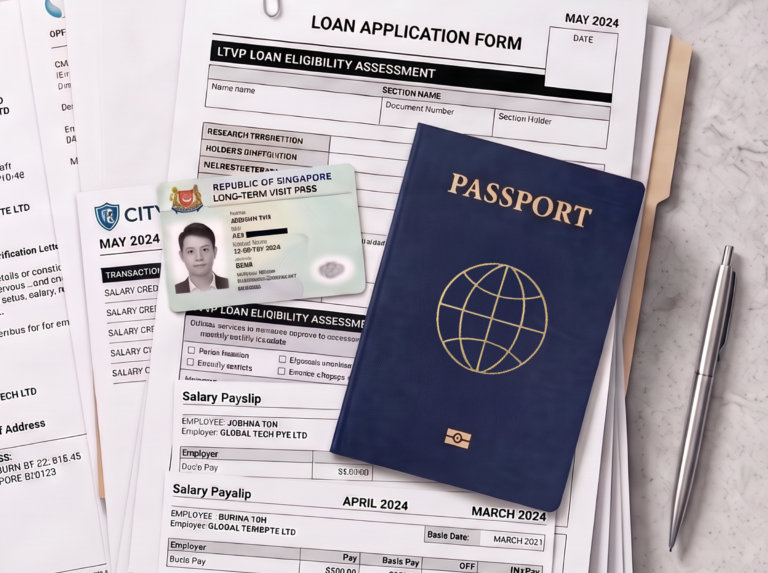
A rental deposit is due on Friday, but payday is still two weeks away. For a Long-Term Visit Pass holder, the first question is often whether their residency status allows them to apply for credit.
The answer depends on more than immigration permission. Earnings, existing commitments and the lender’s acceptance criteria all matter. Understanding the below checks helps you prepare properly and judge whether borrowing would solve a temporary shortfall or create a longer problem.
An LTVP Holder’s Guide To Loans In Singapore:
-
Understand what this description means.
An LTVP is a residence pass, not a credit approval. When researching personal loans in Singapore for foreigners, treat references to LTVP borrowing as a description of the applicant’s status. Ask whether the provider accepts your particular circumstances before submitting sensitive information. At Khalon & Gill, we consider applications from LTVP holders through our foreigner loan service, subject to assessment. However, eligibility does not mean acceptance is certain.
-
Check whether your LTVP allows you to work.
Do not assume your residence document authorises employment. Eligible holders of ICA-issued LTVP or LTVP+ status may work through a Letter of Consent or Pre-approved Letter of Consent, subject to MOM’s conditions. If your earnings come from employment, prepare the relevant authorisation alongside your employment details. A job offer, permission to work and actual salary payments are different pieces of evidence.
-
Confirm the provider’s acceptance requirements.
Ask about minimum age, earnings, remaining pass validity and employment history. These criteria can differ between licensed moneylenders in Singapore. Our personal financing page states a S$2,000 minimum income requirement for foreign applicants; confirm the applicable salary period and current conditions with us. Our foreigner service also notes that applications from people earning below S$40,000 annually depend on quota availability. Neither threshold should be mistaken for a universal legal rule.
-
Calculate the statutory borrowing ceiling.
For unsecured credit, foreigners residing locally face income-based limits: S$500 below S$10,000 annually; S$3,000 from S$10,000 to below S$20,000; and six times monthly income at S$20,000 or above. These limits cover borrowing across all moneylenders combined. They are ceilings, rather than promised offers. Existing balances reduce the aggregate available, while an individual assessment may support a smaller sum than the maximum.
-
Prepare documents that tell a consistent story.
Have your valid residence pass, recent payslips, bank statements and proof of current local address evidence ready. A tenancy agreement or utility bill can help establish where you live. Ask whether an employment letter or further records are needed. Check that names, addresses and salary figures agree across submissions. If your pay recently changed, provide supporting evidence rather than expecting an unexplained bank credit to establish your earnings.
-
Expect an assessment of existing debt.
Before granting credit, lenders must obtain a Moneylenders Credit Bureau report. This records borrowing and repayment with the regulated moneylending sector and helps establish available borrowing capacity. Disclose other financial commitments accurately, including obligations outside that report. Having no previous local borrowing record does not remove verification requirements. Equally, submitting complete paperwork does not oblige a provider to approve the requested amount.
-
Verify the business before arranging a visit.
Check legal moneylenders in Singapore against the Registry’s official list, including the approved address and contact details. Do this independently rather than trusting a forwarded screenshot. Never surrender your passport for safekeeping or disclose Singpass passwords. An enquiry should establish who you are dealing with before detailed records change hands. If someone pressures you to sign an incomplete agreement, stop the process and seek clarification.
-
Move from enquiry to an office appointment.
An online request starts the conversation; it should not be treated as a completed agreement. Our process begins with a request form, followed by an office visit to discuss the proposed arrangement. Ask beforehand which originals to bring and whether any supporting records remain outstanding. During the appointment, explain the expense being funded, its deadline and when your next reliable payment will arrive.
-
Compare the full cost before signing.
Interest is capped at 4% monthly on outstanding principal. The approval fee cannot exceed 10% of principal. Late interest is limited to 4% monthly on overdue sums, with late fees capped at S$60 per month. Interest, late interest, approval fees and late fees together cannot exceed the original principal. When comparing licensed moneylenders in Singapore, request the actual rate, net disbursement and total scheduled repayment.
-
Check the cancellation deadline.
Eligible unsecured, non-business credit disbursed from 15 September 2026 carries three business days to cancel at reduced cost. Excluding the disbursement date, weekends and public holidays. No interest applies if cancellation requirements are met. The provider may retain a capped approval-fee portion: up to S$50 for principal of S$5,000 or less, or 3.5% above that threshold, never exceeding the fee charged.
-
Check disbursement and keep payment records.
Match the funds received against the agreement and any permitted upfront deduction. Keep your contract, receipts and account statements together so you can track the remaining balance. Record each due date as soon as funds arrive. If a future instalment becomes difficult, contact the provider early to discuss your circumstances rather than waiting until it is overdue.
Conclusion:
Borrowing should leave you with a manageable commitment after the immediate expense is paid. Before proceeding, compare each instalment against rent, food, transport and family support, leaving space for unexpected costs.
At Khalon & Gill, we offer foreigner financing and explain the proposed arrangement before signing. WhatsApp us on +65 6392 1251 or visit High Street Centre, 1 North Bridge Road, #B1-03, to discuss your eligibility. Bring your documents so we can assess your circumstances and explain the next steps.
